Free Shipping on Orders over $75
★
Free Lion's Mane Gummies on Orders Over $150!
★


How to Cook Lion's Mane Mushroom: Easy Methods and Tips
11 minute read

TL;DR: Lion's Mane mushroom is a versatile ingredient for brain health and energy, easily prepared using various cooking methods. Pan-frying yields a crispy texture, roasting enhances its umami flavor, and sautéing offers a quick cooking option. Experiment to find your preferred method and incorporate it into diverse dishes for both culinary enjoyment and wellness benefits.
Discovering the Culinary Potential of Lion's Mane
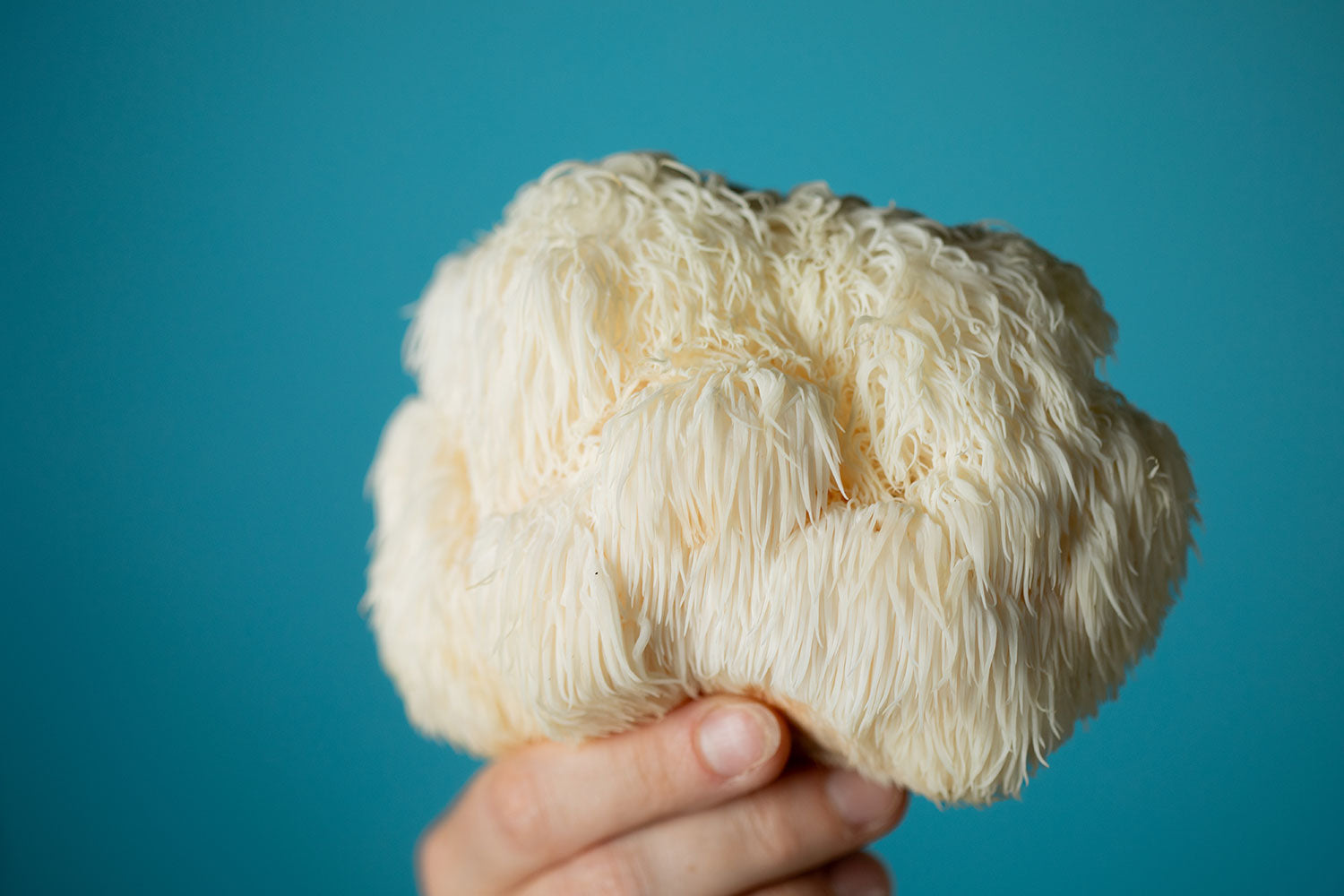
Lion's Mane mushroom (Hericium erinaceus) is rapidly gaining recognition, not just in the wellness community, but also in kitchens. This striking mushroom, with its shaggy, icicle-like appearance, is prized for its unique texture and flavor, often compared to seafood. But what truly sets Lion's Mane apart is its potential to support brain health, energy levels, and stress reduction – benefits that resonate with those seeking natural ways to enhance their well-being.
This article serves as your guide to easily incorporating this functional mushroom into your diet. We'll break down simple yet delicious cooking methods, offering techniques to bring out the best in Lion's Mane. Whether you're a seasoned chef or a kitchen novice, you'll discover how approachable and rewarding it can be to cook with this fascinating fungus. With a little guidance, you can experience firsthand the culinary and health-supporting advantages of Lion's Mane.
Understanding Lion's Mane: What to Expect
Lion's Mane is easily identifiable, thanks to its distinctive, cascading spines that give it a shaggy or "mane-like" appearance. Unlike typical mushrooms with a stem and cap, Lion's Mane grows in a single clump of these soft, tooth-like structures. Fresh Lion's Mane has a firm, slightly spongy texture.
So, what does lion's mane mushroom taste like? Many describe the flavor as mildly sweet, with savory (umami) notes and a texture that's often compared to crab or lobster. This makes it a popular vegetarian and vegan alternative to seafood in dishes like "crab" cakes or lobster rolls.
Cooking transforms Lion's Mane. The raw mushroom can sometimes have a slightly bitter taste, which disappears entirely upon cooking. The texture becomes more tender and succulent, and the seafood-like flavor intensifies. Be mindful not to overcook it, as it can become rubbery. Sautéing or pan-frying are popular methods that help to achieve a slightly crispy exterior while maintaining a moist and tender interior. Note: The cooking process is key to unlocking Lion's Mane's delicious flavor and enjoyable texture.
Preparing Your Lion's Mane: Cleaning and Cutting
Before you begin cooking, proper cleaning and cutting are crucial steps. Since Lion's Mane has a porous texture, it can easily absorb water, making it soggy and affecting its ability to brown nicely during cooking. Therefore, avoid soaking or heavily rinsing the mushroom. Instead, use a soft brush (like a mushroom brush or even a clean toothbrush) to gently remove any visible dirt or debris. A quick rinse under a gentle stream of water is acceptable if brushing isn't enough, but be sure to pat it dry immediately with paper towels.
The way you cut Lion's Mane will largely depend on your chosen cooking method and the dish you're preparing. For sautéing or pan-frying, slicing the mushrooms into 1/4- to 1/2-inch-thick pieces ensures even cooking and browning. If you're planning to use it in soups or stews, cutting it into bite-sized chunks might be more appropriate. For dishes where you want a more shredded texture, like "crab" cakes or pulled "pork" sandwiches, you can use your fingers to gently pull the mushroom apart into smaller, string-like pieces.
Pro tip: For the best texture, avoid cutting the mushroom too far in advance of cooking, as it can start to dry out. Consider trying our Lion's Mane Mushroom Powder for an even simpler way to add Lion's Mane to your diet.
Method 1: Pan-Frying for Flavor and Texture
Pan-frying is a fantastic way to highlight Lion's Mane's unique texture and savory taste. Here's how to do it:
-
Gather your ingredients: You'll need fresh Lion's Mane mushrooms, cooking oil (such as olive or avocado oil), butter (optional, for added flavor), salt, pepper, and any other seasonings you enjoy (garlic powder, herbs like thyme or rosemary, or a pinch of red pepper flakes).
-
Heat the pan: Place a skillet over medium-high heat. Add enough oil to lightly coat the bottom of the pan. If using butter, add it once the oil is hot to prevent burning.
-
Cook the mushroom: Add the sliced or torn Lion's Mane to the hot pan in a single layer, taking care not to overcrowd. If necessary, cook in batches. Let the mushroom sear undisturbed for 3-4 minutes, or until a golden-brown crust forms on the bottom. Flip the pieces and cook for another 3-4 minutes, until the other side is also browned and the mushroom is tender.
-
Season to perfection: Once the Lion's Mane is cooked, season with salt, pepper, and any other desired seasonings. Consider adding minced garlic during the last minute of cooking for a boost of flavor.
-
Achieving the ideal texture: a crispy exterior and a tender interior. Avoid overcooking, as it can make the mushrooms tough. Pressing down lightly on the mushroom with a spatula while it's cooking can help it brown more evenly and develop a nice sear. Note: The exact cooking time will depend on the thickness of your mushroom pieces and the heat of your pan, so keep a close eye on it.
Lion's Mane Mushroom Recipe: Pan-Fried Perfection
Want to take the guesswork out of pan-frying Lion's Mane? This recipe provides specific ingredient amounts and cooking times for guaranteed delicious results.
Ingredients:
-
8 ounces fresh Lion's Mane mushroom, cleaned and cut into 1/2-inch thick slices
-
2 tablespoons olive oil
-
2 tablespoons butter (optional)
-
2 cloves garlic, minced
-
1/4 teaspoon salt (or to taste)
-
1/4 teaspoon black pepper (or to taste)
-
1 tablespoon fresh thyme leaves (optional)
Instructions:
-
Heat the olive oil and butter (if using) in a large skillet over medium-high heat. Make sure the pan is hot before adding the mushrooms.
-
Add the sliced Lion's Mane to the pan in a single layer. Avoid overcrowding the pan; cook in batches if needed.
-
Sear the mushrooms for 3-4 minutes on the first side, until golden brown and slightly crispy.
-
Flip the mushrooms and cook for another 2-3 minutes. Reduce the heat slightly if the mushrooms are browning too quickly.
-
Add the minced garlic and thyme leaves (if using) to the pan during the last minute of cooking. Stir to combine and cook until fragrant, about 30 seconds.
-
Season with salt and pepper to taste.
-
Remove the pan from the heat and serve immediately.
Pro tip: For extra crispy edges, press down on the mushrooms with a spatula as they cook. This helps them make better contact with the hot pan and develop a nice sear. Enjoy this pan-fried perfection as a side dish, in tacos, or as part of a mushroom powder supplement.
Method 2: Roasting for Enhanced Umami
Roasting Lion's Mane brings out a deeper, more intense umami flavor compared to pan-frying. The dry heat caramelizes the edges, creating a satisfying texture and a savory taste. Here’s how to roast Lion's Mane for maximum flavor:
-
Preheat your oven to 400°F (200°C). High heat is key to achieving a good sear and preventing the mushrooms from becoming soggy.
-
Prepare the Lion's Mane by cutting it into 1-inch thick slices or bite-sized pieces. Place the mushrooms in a large bowl and toss with 2-3 tablespoons of olive oil. Ensure all pieces are lightly coated for even cooking.
-
Season generously with salt, black pepper, and any other herbs or spices you like. Garlic powder, onion powder, smoked paprika, and dried thyme work especially well.
-
Spread the seasoned Lion's Mane in a single layer on a baking sheet. Avoid overcrowding the pan; use two baking sheets if necessary.
-
Roast for 20-25 minutes, flipping halfway through, until the mushrooms are golden brown and slightly crispy around the edges. Keep a close eye on them to prevent burning.
-
For a complete meal, consider roasting Lion's Mane alongside root vegetables like carrots, potatoes, or sweet potatoes. Toss the vegetables with oil and seasoning along with the mushrooms, adjusting the roasting time as needed depending on the density of the vegetables.
Note: Roasting time can vary depending on your oven and the size of the mushroom pieces. Check for doneness by piercing a piece with a fork; it should be tender and easily pierced.
Method 3: Sautéing for Quick and Easy Meals
Sautéing is an excellent method for quickly cooking Lion's Mane, making it perfect for weeknight meals. It involves cooking the mushroom in a pan over relatively high heat with a small amount of oil, allowing it to brown without becoming soggy. Here’s how to sauté Lion's Mane:
-
Prepare the Lion's Mane by slicing it into thin, even pieces. This ensures that the mushroom cooks evenly and quickly.
-
Heat a skillet over medium-high heat. Add 1-2 tablespoons of a high-smoke-point oil, such as avocado or coconut oil. Wait until the oil is shimmering hot before adding the mushrooms.
-
Add the sliced Lion's Mane to the hot pan in a single layer, avoiding overcrowding. If necessary, sauté in batches to ensure proper browning.
-
Season with salt, pepper, and any other desired spices. Garlic powder, onion flakes, or a pinch of red pepper flakes can add extra flavor.
-
Sauté for 5-7 minutes, stirring frequently, until the Lion's Mane is golden brown and tender. The constant stirring prevents burning and ensures even cooking.
-
Incorporate the sautéed Lion's Mane into your favorite dishes. It's fantastic in stir-fries, pasta sauces, omelets, or as a topping for grilled meats or vegetables. For example, you can quickly add sautéed Lion's Mane to a simple spaghetti aglio e olio for added texture and nutritional benefits. Consider reviewing our Lion's Mane learning center guide for more background.
Pro tip: For extra flavor, try adding a knob of butter and fresh herbs like thyme or rosemary to the pan during the last minute of sautéing. This will create a rich, aromatic sauce that coats the mushrooms beautifully.
Best Way to Cook Lion's Mane Mushroom: Choosing Your Method
So, what's the absolute best way to cook Lion's Mane? The truth is, it depends on what you're looking for. Each cooking method brings out different qualities in this unique mushroom. Pan-frying, as we explored, excels at achieving a crisp exterior while maintaining a tender interior, ideal for those who appreciate textural contrast. Roasting concentrates the mushroom's umami, resulting in a deeply savory flavor and a slightly chewier texture, perfect for showcasing its inherent richness. Sautéing offers a quick and easy way to cook Lion's Mane, great for busy weeknights when speed and simplicity are priorities.
Consider what characteristics matter most to you. If you prefer crispy edges and a steak-like texture, pan-frying is likely your preferred method. If you're aiming for an intense umami bomb, roasting is the way to go. Need a fast and simple preparation? Sautéing is your friend.
Note: The "best" method is truly a matter of personal preference. Experiment with each technique to discover which aligns best with your palate and culinary goals. Don't be afraid to tweak the seasonings and cooking times to create your signature Lion's Mane dish.
Serving Suggestions and Culinary Inspiration
Now that you've mastered a cooking method or two, let's explore some delicious ways to serve your Lion's Mane creations. This versatile mushroom pairs well with a wide array of dishes. Here are a few ideas to get your culinary creativity flowing:
-
Main Course Marvel: Serve pan-fried or roasted Lion's Mane as a vegetarian or vegan main course. Plate it alongside roasted vegetables, quinoa, or mashed potatoes for a complete and satisfying meal.
-
Asian-Inspired Delight: Incorporate sautéed Lion's Mane into stir-fries with your favorite vegetables and sauces. It pairs especially well with soy sauce, ginger, garlic, and sesame oil. You can even use it as a filling for dumplings or spring rolls.
-
Italian Flair: Add sliced and sautéed Lion's Mane to pasta dishes. It complements creamy sauces like Alfredo or earthy flavors like pesto. Consider using it as a pizza topping or incorporating it into risotto.
-
American Comfort: Use pan-fried Lion's Mane as a "steak" in sandwiches or burgers. Top it with your favorite fixings, such as lettuce, tomato, onion, and a flavorful sauce.
-
Soup Star: Dice cooked Lion's Mane and add it to soups for a boost of flavor and nutrition.
-
Salad Sensation: Top your favorite salads with grilled or sautéed Lion's Mane. It adds a meaty texture and savory flavor that complements greens, vegetables, and dressings. Consider pairing it with a balsamic vinaigrette or a creamy avocado dressing.
Tips for Buying and Storing Lion's Mane
Selecting and storing Lion's Mane properly can greatly influence the flavor and texture of your dishes. Here's what to look for:
-
Freshness is key: When buying fresh Lion's Mane, look for mushrooms that are firm, plump, and creamy white. Avoid any that appear slimy, discolored, or have a strong, ammonia-like smell.
-
Proper storage: To maximize shelf life, store fresh Lion's Mane in the refrigerator in a breathable container, such as a paper bag or a container with a loosely fitting lid. This allows for air circulation and prevents moisture buildup, which can lead to spoilage.
-
Consider dried or frozen: If fresh Lion's Mane isn't available, dried or frozen options can be a good alternative. To rehydrate dried Lion's Mane, soak it in warm water for about 20-30 minutes, or until it becomes pliable. Be sure to squeeze out any excess water before cooking.
Lion's Mane: Beyond the Plate
While this guide focuses on the culinary applications of Lion's Mane, it's worth remembering this unique mushroom offers benefits beyond just its delicious taste. Lion's Mane is praised for its potential cognitive and neurological support, largely due to compounds like hericenones and erinacines. These compounds are believed to stimulate nerve growth factor (NGF) production, which is crucial for brain health.
Of course, cooking isn't the only way to introduce Lion's Mane into your routine. For those seeking a more direct approach, Lion's Mane supplements, tinctures, and powders are also available. These options offer a concentrated dose of the mushroom's beneficial compounds and can be easily incorporated into your daily regimen. Lion's Mane Mushroom Powder is a convenient way to add the mushroom to smoothies, coffee, or other beverages.
Pro tip: Experiment with different forms of Lion's Mane to find what works best for you. Whether you prefer the culinary experience of cooking with fresh mushrooms or the convenience of a daily supplement, the goal is to integrate this incredible fungus into your lifestyle in a way that supports your overall well-being. Now that you're equipped with these cooking methods, why not try your hand at preparing Lion's Mane and experience the unique flavor and potential health benefits firsthand?
Enjoy the Versatility and Benefits of Lion's Mane
From pan-frying to roasting and sautéing, this guide has shown you how easy it is to prepare Lion's Mane mushrooms. We've explored different techniques to bring out the best flavors and textures of this unique ingredient. Remember, the key to success lies in proper cleaning, thoughtful preparation, and not being afraid to experiment with different cooking times and seasonings.
The deliciousness of Lion's Mane is matched only by its versatility. You can add it to pasta dishes, stir-fries, tacos, or simply enjoy it as a standalone side dish. The possibilities are truly endless. So go ahead, embrace the culinary adventure and discover your favorite way to cook this remarkable mushroom.
Leave a comment
All comments are moderated before being published.