Free Shipping on Orders over $75
★
Free Lion's Mane Gummies on Orders Over $150!
★


The History of Lion’s Mane Mushroom in Traditional Medicine and Healing Practices
6 minute read

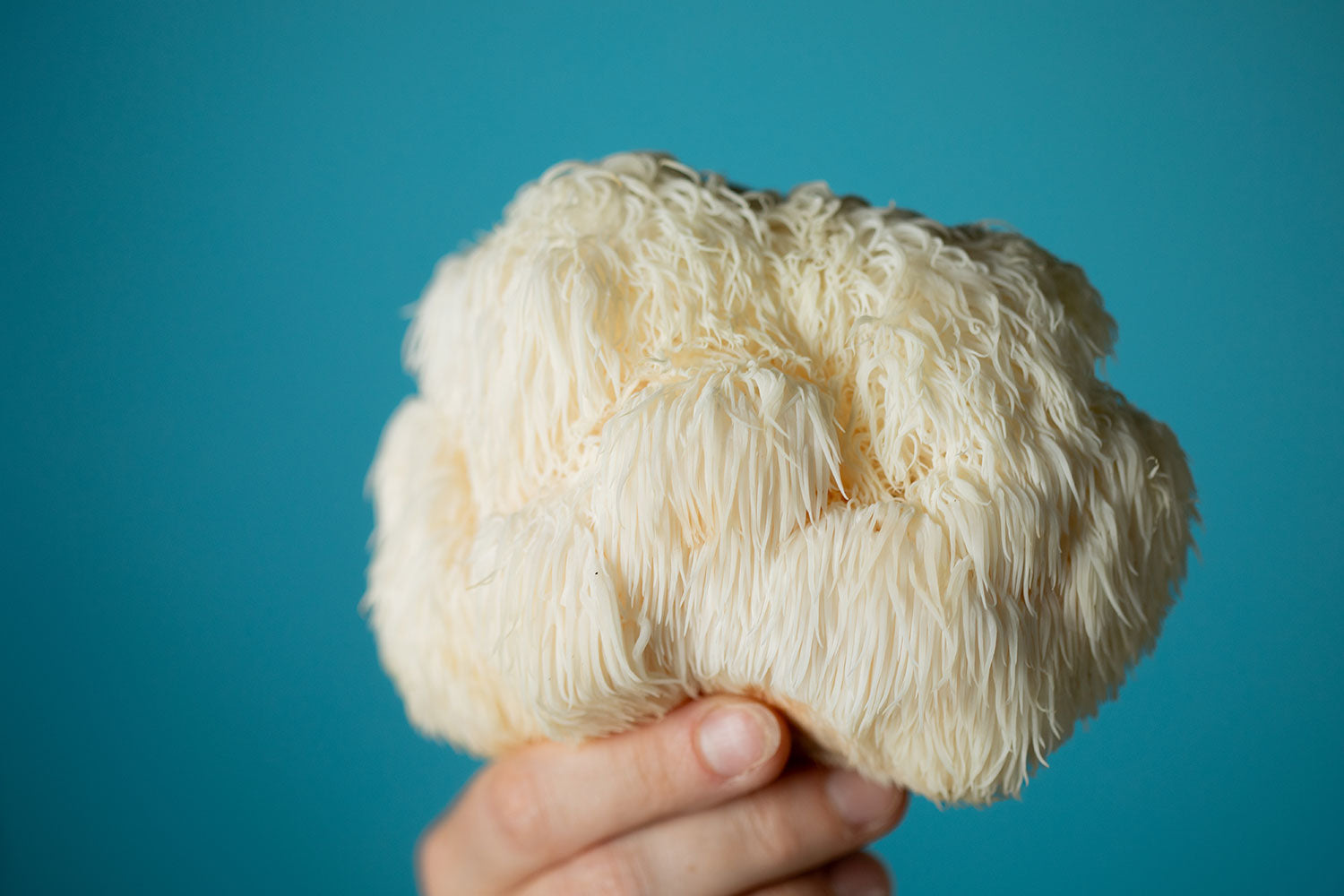
Imagine a mushroom that looks like a cascading waterfall of white tendrils, almost otherworldly in appearance, yet has been quietly revered for centuries for its remarkable health benefits. This is Lion’s Mane, a fungus that has journeyed from ancient forests to modern wellness shelves, captivating both traditional healers and contemporary scientists alike.
Its story is one of nature’s subtle genius-offering cognitive support, immune enhancement, and vitality through a natural, organic source. Let’s explore how Lion’s Mane has been understood, used, and celebrated throughout history, and how those ancient insights are shaping today’s health innovations.
What Is Lion’s Mane and Where Does It Grow Naturally?
Lion’s Mane (Hericium erinaceus) is a distinctive mushroom known for its long, white spines that resemble a lion’s flowing mane. It thrives in temperate forests, primarily found growing on hardwood trees such as oak, beech, and maple. Native to North America, Europe, and Asia, this mushroom prefers the cool, moist environment of mature forests, often appearing in late summer to early fall.
Unlike many other mushrooms that grow in clusters or caps, Lion’s Mane presents as a single, dense, cascading mass of spines. This unique morphology not only makes it easy to identify but also contributed to its symbolic significance in various cultures. Its natural habitat in old-growth forests means it’s been part of the ecosystem—and human use—for centuries. The mushroom's preference for decaying wood helps in the decomposition process, playing a crucial role in nutrient cycling within its forest ecosystem.
In addition to its striking appearance, Lion’s Mane has garnered attention for its potential health benefits. Research suggests that it may support cognitive function and nerve regeneration, making it a subject of interest in the fields of neuroscience and herbal medicine. The bioactive compounds found in Lion’s Mane, such as hericenones and erinacines, are believed to stimulate the production of nerve growth factor (NGF), which is essential for the growth and maintenance of neurons. As a result, this mushroom is often explored for its potential in treating neurodegenerative diseases such as Alzheimer’s and Parkinson’s.
Early Discovery and Cultural Significance of Lion’s Mane
Historical records suggest that Lion’s Mane was first noted in East Asia, where it was prized not just for its nutritional value but also for its medicinal properties. Ancient Chinese texts from the Ming Dynasty reference this mushroom as a tonic for the brain and digestive system, highlighting its role in promoting longevity and mental clarity.
In Japan, the mushroom is known as “Yamabushitake,” named after the Yamabushi monks who sought spiritual enlightenment in the mountains. They believed that consuming Lion’s Mane helped sharpen their focus and mental stamina during long periods of meditation. This spiritual connection elevated the mushroom beyond food, making it a symbol of wisdom and vitality. Furthermore, in traditional Japanese cuisine, Lion’s Mane is celebrated for its culinary versatility, often used in soups, stir-fries, and as a meat substitute due to its unique texture and flavor, reminiscent of seafood.
In more recent times, the popularity of Lion’s Mane has surged in Western countries, where it is embraced not only for its health benefits but also as a gourmet ingredient. Chefs and food enthusiasts have begun to incorporate this mushroom into various dishes, appreciating its delicate, slightly sweet flavor and meaty texture. As interest in natural health remedies and functional foods continues to grow, Lion’s Mane stands out as a remarkable example of how ancient wisdom and modern science can converge, leading to a renewed appreciation for this fascinating fungus.
How Lion’s Mane Was Used in Ancient Chinese and Japanese Medicine
Traditional Chinese Medicine (TCM) has long incorporated Lion’s Mane as a valuable herb for calming the mind and supporting the digestive tract. It was often prescribed to patients experiencing fatigue, memory decline, or digestive discomfort. The mushroom’s adaptogenic qualities were appreciated for helping the body resist stress and restore balance. Ancient texts often referenced Lion’s Mane not just for its physical benefits but also for its spiritual significance, as it was believed to enhance clarity of thought and promote a sense of tranquility that was essential for meditation and mindfulness practices.
In Japan, the use of Lion’s Mane was intertwined with both culinary and medicinal practices. It was consumed as a delicacy and brewed into teas or broths believed to enhance cognitive function and nerve regeneration. The mushroom’s ability to support the nervous system was especially valued in a culture that emphasized harmony between body and mind. Historical records indicate that monks would often include Lion’s Mane in their diets to maintain focus during long hours of meditation, further solidifying its reputation as a brain-boosting superfood.
Traditional Preparations and Remedies Featuring Lion’s Mane
Preparation methods in ancient times were designed to maximize the mushroom’s health benefits. Lion’s Mane was commonly dried and powdered, then steeped in hot water to make a nourishing tea. This extraction process helped release its bioactive compounds, such as hericenones and erinacines, which are now known to stimulate nerve growth factors. The tea was not only consumed for its health benefits but was also a social ritual, often shared among family members during gatherings, reinforcing bonds and community ties.
Another popular remedy involved simmering the mushroom in soups alongside other medicinal herbs, creating a synergistic effect to boost immunity and vitality. These traditional recipes were passed down through generations, often guarded as family secrets or temple knowledge. The emphasis was always on gentle, sustained healing rather than quick fixes. Additionally, Lion’s Mane was sometimes incorporated into poultices for topical applications, believed to aid in wound healing and skin rejuvenation. This multifaceted approach to the mushroom highlighted its versatility and the deep respect ancient cultures had for nature’s healing powers, showcasing a holistic understanding of health that resonates even today.
Lion’s Mane’s Transition from Traditional Remedy to Modern Supplement
The leap from ancient remedy to modern supplement is a fascinating chapter in Lion’s Mane’s history. As scientific research began to validate many of the mushroom’s traditional uses, interest surged in developing accessible, standardized products. This transition has been fueled by a growing demand for natural cognitive enhancers and immune-supportive supplements.
Companies like Stay Wyld Organics, based in British Columbia, have taken this ancient wisdom and combined it with cutting-edge cultivation and extraction techniques. By growing their own organic Lion’s Mane mushrooms and using steam extraction, they ensure high bioavailability of the mushroom’s active compounds. This approach honors tradition while meeting modern standards for quality and sustainability.
How Ancient Uses Influenced Today’s Scientific Research
Modern studies have confirmed that Lion’s Mane contains compounds that promote nerve growth factor synthesis, which supports brain plasticity and cognitive function. These findings echo the mushroom’s traditional reputation as a brain tonic. Researchers are also exploring its potential in neurodegenerative conditions, immune modulation, and even mood regulation.
The historical use of Lion’s Mane as a gentle, restorative agent has guided clinical trials and product development. Instead of isolated chemicals, whole mushroom extracts are favored, reflecting the holistic approach of traditional medicine. This blend of old and new creates a powerful narrative that resonates with today’s health-conscious consumers seeking natural, effective wellness solutions.
Furthermore, the cultural significance of Lion’s Mane in traditional Eastern medicine cannot be overlooked. In regions like China and Japan, it has been revered not just for its health benefits but also for its culinary value, often incorporated into dishes for its unique flavor and texture. This culinary heritage has paved the way for contemporary chefs and health enthusiasts alike, who are now experimenting with Lion’s Mane in gourmet recipes, ranging from savory soups to innovative plant-based dishes. Such culinary applications not only enhance the mushroom's appeal but also serve to educate a broader audience about its versatility and benefits.
As the global interest in functional foods continues to rise, Lion’s Mane stands at the forefront of this movement. Its adaptability in various forms—be it powders, capsules, or even infused beverages—makes it accessible to a wide range of consumers. The ongoing exploration of its benefits, coupled with the resurgence of interest in natural remedies, positions Lion’s Mane as a key player in the future of health and wellness, bridging the gap between ancient practices and contemporary lifestyles.
Leave a comment
All comments are moderated before being published.
