Free Shipping on Orders over $75
★
Free Lion's Mane Gummies on Orders Over $150!
★


White Paper Research
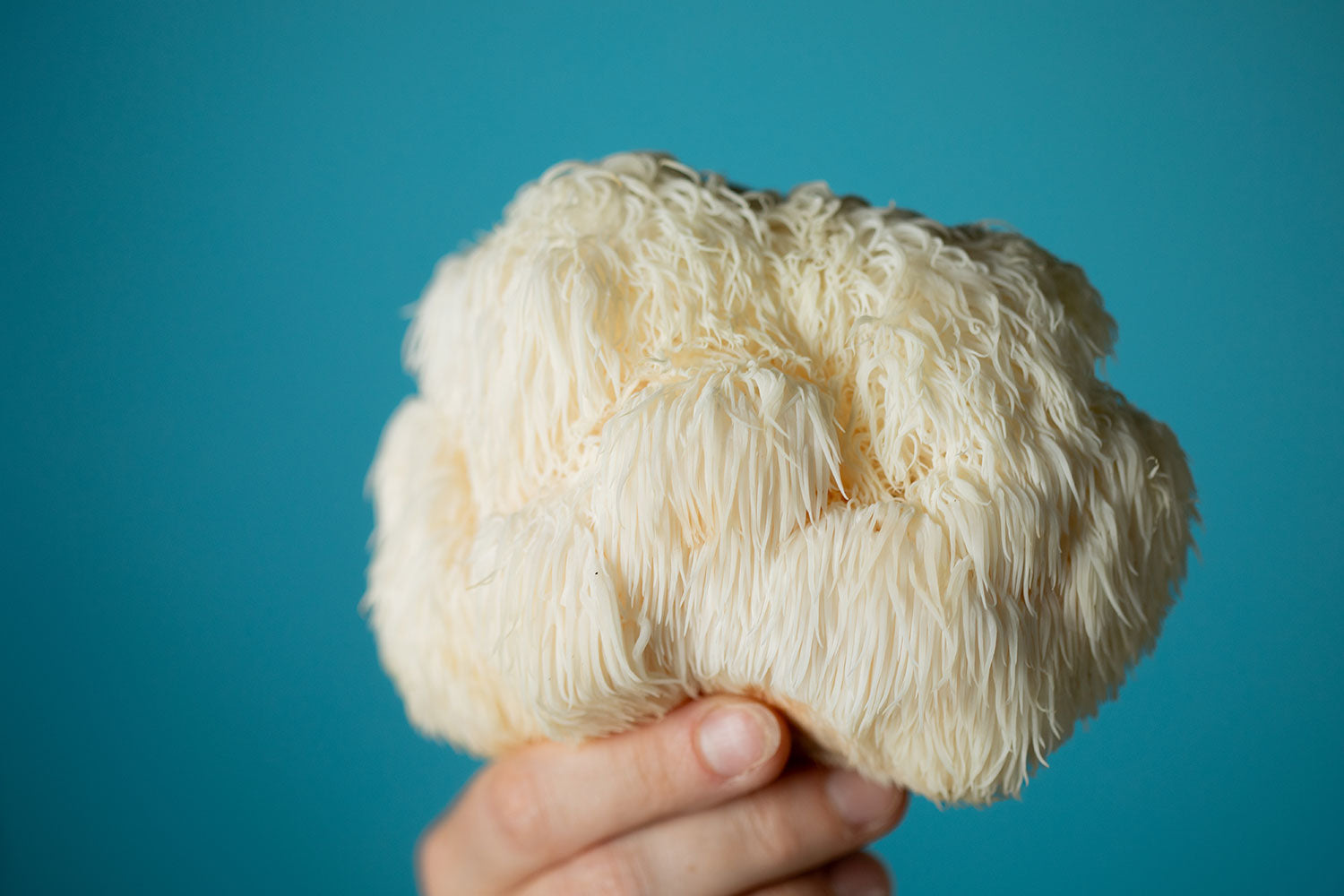
This page compiles scientific evidence and clinical research on six of the world’s most studied functional mushrooms: Chaga, Cordyceps, Lion’s Mane, Maitake, Reishi, and Shiitake. Drawing from peer‑reviewed human trials, animal studies, and in‑vitro research, we summarize strong, moderate, and preliminary findings for each species — including benefits for immune support, cognitive health, endurance, metabolic balance, anti‑tumor activity, and antioxidant protection.
Whether you’re a health professional, researcher, or simply curious about the science behind mushrooms, this page is your evidence‑based reference for understanding their potential and limitations.
sur
Strong Evidence
Anti-tumour Effects – Chaga extracts inhibit cancer cell proliferation and induce apoptosis (programmed cell death).
→ Strong evidence from in vitro and animal studies. (Study)
Antioxidant Effects – Chaga extracts scavenge free radicals and protect against oxidative damage.
→ Strong evidence from chemical analysis and in vitro studies. (Study)
Anti-Inflammatory Activity – Chaga reduces inflammation by modulating cytokines and the NF-κB pathway.
→ Strong evidence from in vitro and animal studies. (Study)
Immunomodulatory Effects – Chaga extracts enhance immune response, activating macrophages and regulating cytokine production.
→ Strong evidence from human and animal studies. (Study)
Antimicrobial Effects – Chaga shows antiviral, antibacterial, and antifungal activity. → Strong evidence from in vitro and animal studies. (Study)
Moderate Findings
Anti-Diabetic Effects – Chaga reduces blood glucose and improves insulin sensitivity.
→ Moderate evidence from animal studies. (Study)
Anti-Hyperuricemic Effects – Chaga extracts reduce uric acid levels by inhibiting xanthine oxidase.
→ Moderate evidence from animal studies. (Study)
DNA Protection – Chaga protects against oxidative DNA damage and reduces DNA fragmentation caused by hydrogen peroxide (H2O2).
→ Moderate evidence from human and animal studies. (Study)
Anti-Cancer Potential – Betulinic acid, polysaccharides, and triterpenoids in Chaga show anti-cancer activity.
→ Moderate evidence from in vitro and animal studies. (Study)
Hypoglycemic and Hypolipidemic Activity – Chaga polysaccharides (IOPS) regulate glucose and lipid metabolism.
→ Moderate evidence from animal studies. (Study)
Anti-Fatigue Effects – Chaga improves endurance and reduces fatigue in preclinical models.
→ Moderate evidence from animal studies. (Study)
Extraction Method Matters – Accelerated solvent extraction (ASE) and powder steeping methods improve extraction yield and enhance anti-inflammatory activity. → Moderate evidence from comparative studies. (Study)
Preliminary Findings
Anti-Cancer Support – Chaga's betulinic acid and triterpenoids show early-stage promise in targeting tumor growth.
→ Preliminary evidence from in vitro and animal studies. (Study)
Gut Health Improvement – Chaga extracts may act as prebiotics and improve gut flora balance.
→ Preliminary evidence from animal models. (Study)
Anti-Aging Effects – Chaga's antioxidant properties may protect against age-related oxidative stress.
→ Preliminary evidence from animal and cell studies. (Study)
Improved Endurance – Chaga polysaccharides show promise in increasing swimming time and improving physical stamina.
→ Preliminary evidence from animal studies. (Study)
Cytokine Regulation – Chaga influences the NF-κB pathway and downregulates inflammatory cytokines like TNF-α and IL-6.
→ Preliminary evidence from in vitro studies. (Study)
Enhanced Antioxidant Defence – Chaga extracts increase antioxidant enzyme activity and scavenge free radicals.
→ Preliminary evidence from in vitro studies. (Study)
Neuroprotection Potential – Chaga may protect against oxidative stress-related damage in brain cells.
→ Preliminary evidence from animal models. (Study)
Liver Protection – Chaga extracts may protect against alcohol-induced liver damage by reducing oxidative stress.
→ Preliminary evidence from animal models. (Study)
Immune Enhancement – Chaga extracts may increase natural killer (NK) cell activity and T-cell response. → Preliminary evidence from animal and in vitro studies. (Study)
Strong Evidence
These benefits are well-supported by studies specifically on Cordyceps militaris:
- Improved Metabolic Threshold – Supported by studies on Cordyceps militaris improving lactate threshold and exercise performance.
→ (Study)
- Enhanced Ventilatory Threshold – Supported by human studies on Cordyceps militaris.
→ (Study)
- Delayed Exercise Fatigue – Supported by human studies on Cordyceps militaris improving endurance and fatigue.
→ (Study)
- Cellular Energy Boost – Cordyceps militaris increases ATP production and cellular energy state.
→ (Study)
- Hypoglycemic Effect – Strong evidence from animal models using Cordyceps militaris polysaccharides.
→ (Study)
- Enhances Antioxidant Activity – Supported by multiple studies showing Cordyceps militaris boosts antioxidant enzyme activity.
→ (Study)
- Protects Liver, Kidney, and Pancreas – Cordyceps militaris polysaccharides have been shown to reduce organ damage.
→ (Study)
- Antitumor Activity – Cordyceps militaris shows strong evidence in reducing tumor cell growth and apoptosis.
→ (Study)
- Immune System Modulation – Cordyceps militaris enhances or suppresses immune response depending on need.
→ (Study)
Reduces Lipid Peroxidation – Strong evidence from Cordyceps militaris studies showing decreased serum lipid levels. → (Study)
Moderate Findings
These benefits have consistent findings in animal studies or small human trials but require more large-scale human research:
- Memory Enhancement – Cordyceps militaris has been shown to improve cognitive function in animal models.
→ (Study)
- Muscle Recovery – Cordyceps militaris improves post-exercise muscle recovery and repair.
→ (Study)
- Anti-inflammatory Activity – Cordyceps militaris reduces inflammation through cordycepin and other bioactives.
→ (Study)
- Sexual Function Enhancement – Cordyceps militaris improves testosterone levels, sperm count, and motility.
→ (Study)
- Antimicrobial Activity – Cordyceps militaris has shown antiviral and antifungal activity.
→ (Study)
- Antifatigue Activity – Cordyceps militaris increases stamina and endurance.
→ (Study)
- Hormonal Balance – Cordyceps militaris helps maintain testosterone and DHT levels.
→ (Study)
- Testicular Protection – Cordyceps militaris protects against BPA-induced testicular damage.
→ (Study)
- Enhances Sperm Health – Cordyceps militaris improves sperm count and motility.
→ (Study)
- Anti-Cancer Activity – Cordyceps militaris shows anticancer activity in vitro.
→ (Study)
Preliminary Findings
These benefits have early-stage evidence or limited human studies:
- Gut Microbiota Improvement – Cordyceps militaris improves gut health and beneficial bacteria in mice.
→ (Study)
- Liver Protection – Cordyceps militaris polysaccharides may reduce liver damage.
→ (Study)
- Neuroprotection – Cordyceps militaris protects brain cells and reduces oxidative stress in animal models.
→ (Study)
- BDNF Modulation – Cordyceps militaris may increase brain-derived neurotrophic factor (BDNF).
→ (Study)
- Ergothioneine-Rich Source – Cordyceps militaris contains ergothioneine, but more human research is needed.
→ (Study)
- DNA Protection – Cordyceps militaris may reduce oxidative DNA damage.
→ (Study)
Respiratory System Support – Cordyceps militaris may reduce inflammation in lung cells and improve breathing. → (Study)
Strong Evidence
These benefits have been confirmed in human clinical trials and/or multiple animal studies, showing consistent results:
- Focus & Clarity – Enhanced cognitive function and memory in mild cognitive impairment patients.
→ Strong evidence from a human clinical trial (Study).
- Nootropic Power – NGF stimulation and enhanced brain plasticity.
→ Strong evidence from multiple studies on erinacines and hericenones (Study).
- Mood Regulation – Reduced depression and anxiety.
→ Strong evidence from a placebo-controlled human clinical trial (Study).
- Anxiety Relief – Reduced anxiety symptoms.
→ Strong evidence from a placebo-controlled human trial (Study).
- Cognitive Recovery – Improved cognitive performance after a single dose.
→ Strong evidence from a double-blind human study (Study).
- Gut Microbiota Improvement – Increased beneficial gut bacteria and reduced harmful bacteria.
→ Strong evidence from mouse models and gut microbiome analysis (Study).
- Neuroprotective Effects – Protection from Alzheimer’s and Parkinson’s disease-related damage.
→ Strong evidence from animal models (Study).
- Depression Relief – Improved mood and reduced neuroinflammation.
→ Strong evidence from human and animal studies (Study).
- H. Pylori Inhibition – Suppresses growth of H. pylori in vitro and in vivo.
→ Strong evidence from both in vitro and in vivo studies (Study).
Moderate Findings
These benefits have shown consistent results in animal studies, but human trials are limited or not large-scale:
- Alzheimer’s Protection – May reduce amyloid plaque burden and memory loss in animal models.
→ Moderate evidence from mouse models (Study).
- Stroke Protection – May Reduce brain damage and improve recovery post-stroke.
→ Moderate evidence from animal models (Study).
- Immune System Regulation – May increase antibody production and macrophage activation.
→ Moderate evidence from animal studies (Study).
- Gut Health – May improved digestive health and gut lining.
→ Moderate evidence from rodent studies (Study).
- Dopaminergic Protection – May offer protection of dopamine-producing neurons in Parkinson’s disease models.
→ Moderate evidence from animal models (Study).
- Reduced Muscle Soreness – May have antioxidant and anti-inflammatory effects post-exercise.
→ Moderate evidence from animal studies (Study).
- DNA Protection – May reduce oxidative DNA damage.
→ Moderate evidence from cell and mouse models (Study).
- Antimicrobial Activity – May inhibit harmful bacteria.
→ Moderate evidence from in vitro studies (Study).
Anti-inflammatory Effects – May reduce pro-inflammatory markers. → Moderate evidence from animal and cell studies (Study).
Preliminary Findings
These benefits have limited or mixed evidence, with some support from early-stage trials or anecdotal reports:
- Menopausal Support – May improve some menopausal symptoms.
→ Preliminary evidence from small human trials (Study). (study).
- While promising, evidence is limited. Consult a healthcare professional before using Lion’s Mane for menopausal symptoms.
- Neurodegenerative Disease Potential – Possible benefits for multiple brain disorders.
→ Preliminary evidence from animal and cell studies (Study).
- Frailty Prevention – May reduce age-related physical decline.
→ Preliminary evidence from mouse models (Study).
- Liver Protection – May reduce markers of liver damage in alcohol-induced toxicity models.
→ Preliminary evidence from animal models (Study).
- Neurotransmitter Regulation – May increase dopamine, serotonin, and norepinephrine levels.
→ Preliminary evidence from animal models (Study).
- Ergothioneine-Rich Source – "Longevity vitamin" linked to enhanced antioxidant activity.
→ Preliminary evidence from chemical analysis and mouse models (Study).
- BDNF Modulation – May increase BDNF levels linked to cognitive and mood benefits.
→ Preliminary evidence from animal models (Study).
Neuroregenerative Potential – May promote nerve repair and outgrowth. → Preliminary evidence from early-stage animal studies (Study).
Strong Evidence
Immune System Modulation – Maitake D-Fraction boosts NK cell activation and enhances tumor-specific immune responses.
→ Study Link
Blood Sugar Regulation – Maitake SX-fraction improves insulin sensitivity and lowers blood glucose levels.
→ Study Link
Cholesterol Reduction – Maitake mushroom powder reduces serum and liver lipids in hyperlipidemic rats.
→ Study Link
Anti-Tumour Activity – Maitake D-fraction enhances dendritic cell function and slows tumour growth.
→ Study Link
Blood Pressure Support – Maitake fractions help lower systolic blood pressure in insulin-resistant rats.
→ Study Link
Moderate Findings
Fat Reduction & Longevity – Maitake reduces fat storage and oxidative stress in C. elegans models.
→ Study Link
Metabolic Health Support – Maitake improves lipid profiles and supports weight management.
→ Study Link
Liver Health – Maitake reduces liver fat and serum lipids. → Study Link
Preliminary Findings
Adaptogenic Properties – Maitake may help regulate immune and metabolic stress markers.
→ Study Link
Cellular Repair & Antioxidant Effects – Maitake β-glucans protect DNA and reduce oxidative stress.
→ Study Link
Cancer Therapy Support – Maitake may enhance chemotherapy outcomes. → Study Link
Strong Evidence
These benefits are well-supported by studies specifically on Ganoderma lucidum:
Immune Modulation – Reishi increases white blood cell production and enhances immune response. → (https://www.mdpi.com/2304-8158/12/7/1512 )
Strong Evidence (for Ganoderma lucidum)
These benefits are well-supported by studies specifically on Ganoderma lucidum:
Immune Modulation – Reishi may increase white blood cell production and may enhance immune response. → (https://pubmed.ncbi.nlm.nih.gov/21716693/)
Stress Relief and Cortisol Regulation – Reishi may reduce cortisol levels and may improve mental clarity under stress. → (https://pubmed.ncbi.nlm.nih.gov/15857210/)
Improved Sleep Quality – Reishi may increase deep sleep and may reduce sleep latency. → (https://pubmed.ncbi.nlm.nih.gov/15857210/)
Cholesterol and Blood Pressure Regulation – Reishi may lower LDL cholesterol and may improve arterial function. → (https://www.mdpi.com/2304-8158/12/7/1512)
Liver Protection – Reishi polysaccharides may improve liver enzyme function and may reduce oxidative damage. → (https://www.ncbi.nlm.nih.gov/books/NBK92757/)
Antioxidant Activity – Reishi may enhance antioxidant enzyme production, may reducing oxidative stress. → (https://www.mdpi.com/2304-8158/12/7/1512)
Anti-Cancer Activity – Reishi may have shown potential to inhibit tumour growth and may increase apoptosis. → (https://www.mdpi.com/2304-8158/12/7/1512) , (https://www.ncbi.nlm.nih.gov/books/NBK92757/)
Blood Sugar Regulation – Reishi may improve insulin sensitivity and may improve glucose metabolism. → (https://www.mdpi.com/2304-8158/12/7/1512), (https://www.ncbi.nlm.nih.gov/books/NBK92757/)
Moderate Findings
These benefits have consistent findings in animal studies or small human trials but require more large-scale human research:
Memory and Cognitive Function – Reishi may improve cognitive performance in animal models. → (https://pubmed.ncbi.nlm.nih.gov/15857210/)
Anti-Allergic Effects – Reishi may reduce histamine response in allergy-prone subjects. → (https://www.mdpi.com/2304-8158/12/7/1512)
Anti-Viral and Anti-Microbial Activity – Reishi may have shown effectiveness against certain viruses and bacteria. → (https://www.mdpi.com/2304-8158/11/7/1030), (https://www.ncbi.nlm.nih.gov/books/NBK92757/)
Weight Management – Reishi polysaccharides may reduce body weight gain in animal studies. → (https://www.nature.com/articles/ncomms8489.pdf), (https://www.mdpi.com/2304-8158/12/7/1512)
Preliminary Findings
These benefits have early-stage evidence or limited human studies:
Gut Health – Reishi may improve gut microbiota balance and may increase beneficial bacteria. → (https://www.nature.com/articles/ncomms8489.pdf), (https://www.mdpi.com/2304-8158/11/7/1030)
Skin Health – Reishi may improve wound healing and may reduce oxidative damage in skin cells. → (https://pmc.ncbi.nlm.nih.gov/articles/PMC8998036/)
Antioxidant and UV Protection – Reishi may reduce UV-induced skin damage in animal studies. → (https://pmc.ncbi.nlm.nih.gov/articles/PMC8998036/)
Strong Evidence
These benefits have been confirmed in human clinical trials and/or multiple animal studies, showing consistent results:
Antioxidant and Anti-Inflammatory Activity — Potent antioxidant and anti-inflammatory effects stronger than standard controls.
→ Strong evidence from chemical analysis and comparative studies. (Study)
Cholesterol Reduction and Improved Metabolic Profile — Shiitake lowered serum cholesterol, triglycerides, insulin, leptin, and improved glucose metabolism.
→ Strong evidence from controlled animal studies. (Study)
Safe for Most Adults — Shiitake mushroom is generally recognized as safe for most healthy adults when consumed in reasonable amounts. → Strong evidence from historical use and human studies.
Moderate Findings
These benefits have shown consistent results in animal studies, but human trials are limited or not large-scale:
Anti-Inflammatory Effects — Lentinan modulates inflammatory pathways (NF-κB, TLR4) and reduces cytokine production.
→ Moderate evidence from animal and cell studies. (Study)
Gut Microbiota Balance — Lentinan restores beneficial gut bacteria and reduces dysbiosis.
→ Moderate evidence from animal models. (Study)
Immune System Support — Lentinan enhances immune cell activity (CD4+, NK cells) and modulates cytokine storms.
→ Moderate evidence from infection and immune studies. (Study)
Anti-Tumor Effects — Lentinan suppresses tumor growth via immune activation and apoptosis pathways.
→ Moderate evidence from animal cancer models. (Study)
Chemotherapy Synergy — Lentinan improves chemotherapy outcomes and reduces side effects.
→ Moderate evidence from animal studies and early human use. (Study)
Liver Fibrosis Prevention — AHCC (Shiitake mycelia extract) may slow progression of liver fibrosis.
→ Moderate evidence from animal models. (Study)
Mitochondrial Function Restoration — Shiitake extract improves mitochondrial membrane potential and ATP production. → Moderate evidence from senescence cell models. (Study)
Preliminary Findings
These benefits have limited or mixed evidence, with some support from early-stage trials, cell models, or anecdotal reports:
Anti-Aging Effects — Shiitake extract may eliminate senescent cells and slow neurodegenerative aging processes.
→ Preliminary evidence from neuronal cell studies. (Study)
Antioxidant Pathway Activation — Boosts Nrf2 antioxidant defenses, protecting mitochondria from stress.
→ Preliminary evidence from cell studies. (Study)
Vaccine Adjuvant Potential — Lentinan may enhance vaccine-induced immunity and reduce side effects.
→ Preliminary evidence from experimental studies. (Study)
Targeted Therapy Potential — Lentinan nanoparticles may support development of cancer-targeted therapies.
→ Preliminary evidence from cell and early-stage studies. (Study)
Blood Sugar Regulation — Early animal models show improved glucose metabolism and insulin sensitivity.
→ Preliminary evidence from animal studies. (Study)
Neuroprotective Potential — Shiitake’s antioxidant effects may help prevent neurodegenerative damage. → Preliminary evidence from stressed neuronal models. (Study)
sur
Shop By Benefit


sur